When I first started researching the best time to ski Europe for beginners, I didn’t picture a glamorous Alpine getaway. I pictured a slapstick film: icy wipe-outs, packed slopes, and lift queues long enough to test anyone’s patience.
If you’re a nervous first-timer, I get it. But after experiencing the mountains firsthand, I found the “sweet spot.” For those learning to ski, March is the undisputed champion of the European ski season.
1. Avoid the Peak Season Chaos
Timing is everything. By March, the peak-season rushes of Christmas, New Year, and the frantic February half-term have faded. For a beginner, a crowded slope is a scary slope.
In March, I noticed that beginner areas (the “nursery” slopes) feel significantly less frantic. When you aren’t constantly worrying about faster skiers zipping past you, you can actually focus on your balance.
- Smaller Class Sizes: Many ski schools have more availability and smaller groups in March.
- Less Panic: More room on the piste means fewer “panic moments” when you’re trying to remember how to snowplow.
2. Kinder Snow Conditions for First-Timers
A major factor in determining the best time to ski Europe for beginners is the texture of the snow. In the deep freeze of January, slopes can become “bulletproof” ice—which feels like falling on a frozen kitchen floor.
By March, the “spring skiing” cycle begins. The snow is often softer and more forgiving, especially from late morning to early afternoon.
- Softer Landings: If (or when!) you tumble, soft March snow is much kinder to your knees and your pride.
- Predictable Edging: Turning and slowing down feels more intuitive when the snow is a bit “slushy” rather than icy and slick.
3. Better Weather and Longer Daylight
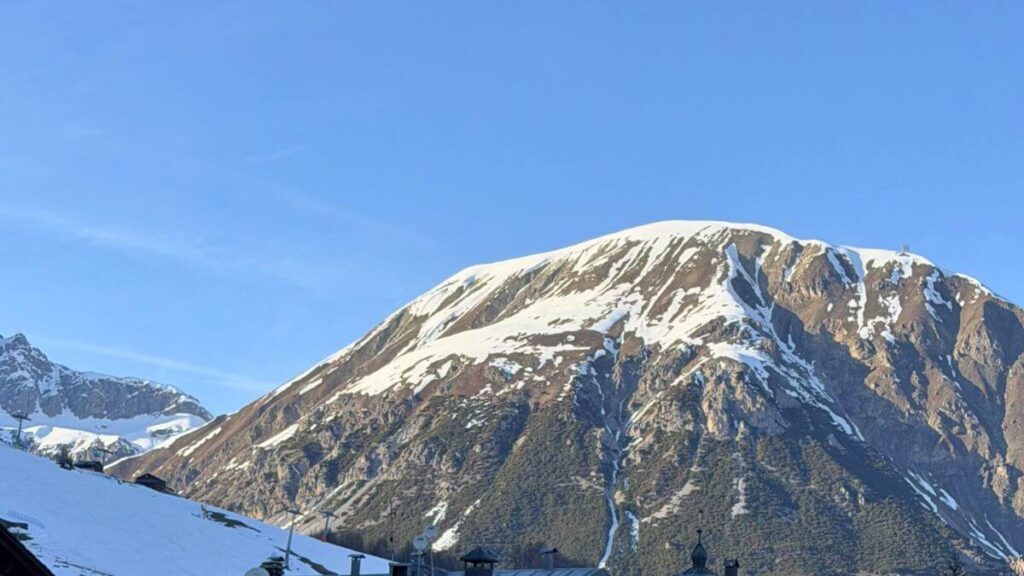
One thing no one tells you about learning to ski is how exhausting it is to be cold. In March, the “icy glare” of mid-winter is replaced by milder temperatures and more sun.
Longer days in the French, Austrian, Swiss, and Italian Alps mean you aren’t rushing to finish before the sun goes down.
- Vitamin D: Lunch on a sunny terrace feels like a luxury reward for your morning’s hard work.
- Better Visibility: Bright, clear light makes it much easier to read the terrain and see where you’re going.
- Energy Levels: You’ll find you can stay out longer and finish the day with more energy (and fewer frozen toes).
4. Better Value for Your First Trip
If you are testing whether skiing is a “love story” or a one-time fling, you don’t want to overspend. Because March falls outside the expensive holiday weeks, you can often find better value on:
- Flights and Accommodation: Prices often dip between the February rush and the Easter holidays.
- Lift Passes: Some resorts offer “late season” discounts.
- Last-Minute Deals: Keep an eye out for packages that include equipment rental—a must for beginners.
The Verdict: Why March Wins
For me, March offers the ultimate beginner mix. You get the space to fail safely, the sun to keep you smiling, and the forgiving snow that makes learning feel like a holiday rather than a survival test.
Before the Easter crowds arrive, let the mountains do the heavy lifting for you. Pick your dates, pack your sunscreen, and find out why March is truly the best time to ski Europe for beginners.